Fresh Homemade Marinara Sauce-Authentic Italian Flavor
Homemade Marinara Sauce is more than just a condiment; it’s a comforting hug in a bowl, a vibrant burst of sunshine on your plate, and the foundation of countless delicious meals. Forget those jarred impostors that often fall flat, lacking the soul and fresh, bright flavor that true marinara possesses. We all crave that rich, nuanced taste that elevates pasta, pizza, and even serves as a delectable dipping sauce. What makes this homemade marinara sauce so special? It’s the simplicity of fresh, quality ingredients that truly shine. The sweetness of ripe tomatoes, the pungent aroma of garlic, the subtle warmth of oregano – these elements, when allowed to meld together over a gentle simmer, create a culinary magic that’s simply unparalleled. Imagine the satisfying aroma filling your kitchen as you prepare it, a promise of the incredible meal to come. Get ready to transform your weeknight dinners and impress your guests with a marinara sauce that tastes like it came straight from a Nonna’s kitchen.
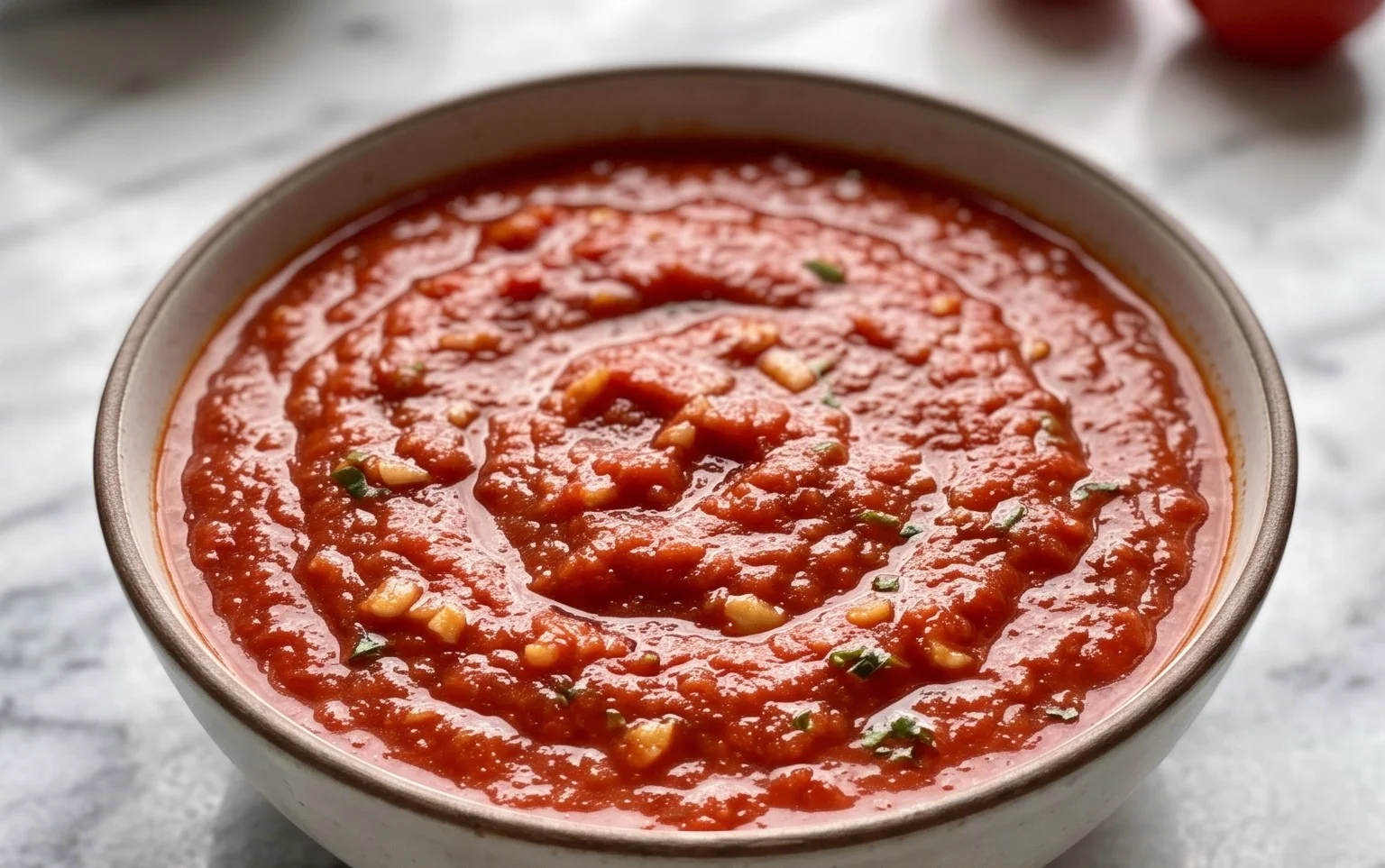
Homemade Marinara Sauce
There’s something incredibly satisfying about a homemade marinara sauce. It’s a culinary cornerstone, the foundation for so many delicious Italian-American dishes, from pasta and pizza to lasagna and chicken parmesan. While store-bought options can be convenient, they often lack the fresh, vibrant flavor and depth that you can achieve with just a few simple, high-quality ingredients and a little bit of love. My approach to marinara is all about building layers of flavor, starting with a gentle sauté of aromatics and culminating in a rich, comforting sauce that tastes like it simmered for hours, even though it’s surprisingly quick to make. This recipe is designed to be straightforward, allowing the natural sweetness of the tomatoes to shine while being enhanced by fragrant herbs and a hint of garlic. It’s the kind of sauce that makes your kitchen smell divine and your taste buds sing.
Ingredients:
- 2 Tablespoons Olive Oil
- 3 cloves garlic (minced)
- 28 oz. can of plum tomatoes
- 1 bay leaf
- 1 teaspoon Italian seasoning
- 3-4 tablespoons fresh parsley (roughly chopped)
- ¼ teaspoon salt
Crafting Your Marinara: A Step-by-Step Guide
This marinara sauce comes together with minimal fuss, making it perfect for a weeknight meal or a weekend culinary project. The key is to pay attention to each stage, allowing the ingredients to meld and develop their full potential.
1. Prepare Your Base: Begin by gently heating the olive oil in a medium-sized saucepan or Dutch oven over medium-low heat. Once the oil is shimmering, add your minced garlic. It’s crucial to keep the heat gentle here. We want to slowly coax out the fragrant oils from the garlic without burning it. Burnt garlic turns bitter, which will negatively impact the overall flavor of your sauce. Sauté the garlic for about 1 to 2 minutes, stirring occasionally, until it becomes fragrant and just starts to turn a pale golden color. You should be able to smell its wonderful aroma filling your kitchen. This step infuses the olive oil with that essential garlic flavor, setting a solid foundation for the rest of the sauce.
2. Introduce the Tomatoes and Aromatics: Now, it’s time to add the star of our show: the plum tomatoes. I prefer using whole plum tomatoes packed in their own juice, as they tend to have a richer, sweeter flavor than diced or crushed varieties. Open the can and carefully pour the entire contents, tomatoes and their juice, into the saucepan with the garlic-infused oil. Next, add the bay leaf and the Italian seasoning. The bay leaf will impart a subtle, savory depth to the sauce as it simmers, and the Italian seasoning provides a harmonious blend of herbs like oregano, basil, and thyme, which are classic companions to tomato. Stir everything together gently to combine.
3. Simmer and Develop Flavor: Bring the mixture to a gentle simmer. Once it’s bubbling slightly, reduce the heat to low, cover the saucepan loosely (leaving a small gap for steam to escape), and let it cook for at least 20 minutes. This simmering period is where the magic happens. It allows the flavors to meld together, the tomatoes to break down further, and the sauce to thicken slightly. As it simmers, I like to occasionally press down on the whole tomatoes with the back of my spoon to help them break apart. This gradual cooking process concentrates the tomato flavor and creates a more luxurious texture. Don’t rush this step; patience is rewarded with a more complex and delicious sauce.
4. Refine the Texture and Season: After the initial simmering, remove the bay leaf. It has done its job, and leaving it in could make the sauce slightly bitter if overcooked. Now, you have a couple of options for texture. If you prefer a chunkier, rustic sauce, you can simply continue to simmer it uncovered for another 10-15 minutes, stirring occasionally, allowing it to thicken to your desired consistency. For a smoother sauce, you can use an immersion blender directly in the pot to purée the tomatoes to your liking. Alternatively, you can carefully transfer the sauce in batches to a regular blender (being very cautious as hot liquids expand) and blend until smooth. Once you’ve achieved your preferred texture, stir in the roughly chopped fresh parsley and the ¼ teaspoon of salt. The fresh parsley adds a burst of bright, herbaceous flavor that truly elevates the sauce. Taste and adjust the salt if necessary. Remember, you can always add more, but you can’t take it away.
5. The Final Simmer and Serve: After adding the parsley and salt, give the sauce one last gentle stir and let it simmer uncovered for an additional 5 minutes. This short final simmer allows the parsley to wilt slightly and its flavor to infuse into the sauce, while also ensuring the sauce has reached its perfect consistency. The aroma at this stage is simply incredible. Your homemade marinara is now ready to be used! It’s fantastic tossed with your favorite pasta, spooned over a steaming plate of spaghetti and meatballs, used as a base for pizza, or as a dipping sauce. The beauty of this sauce is its versatility. It stores beautifully in the refrigerator for up to 4-5 days or can be frozen for longer storage, ensuring you always have a taste of homemade goodness on hand. Enjoy the fruits of your labor!
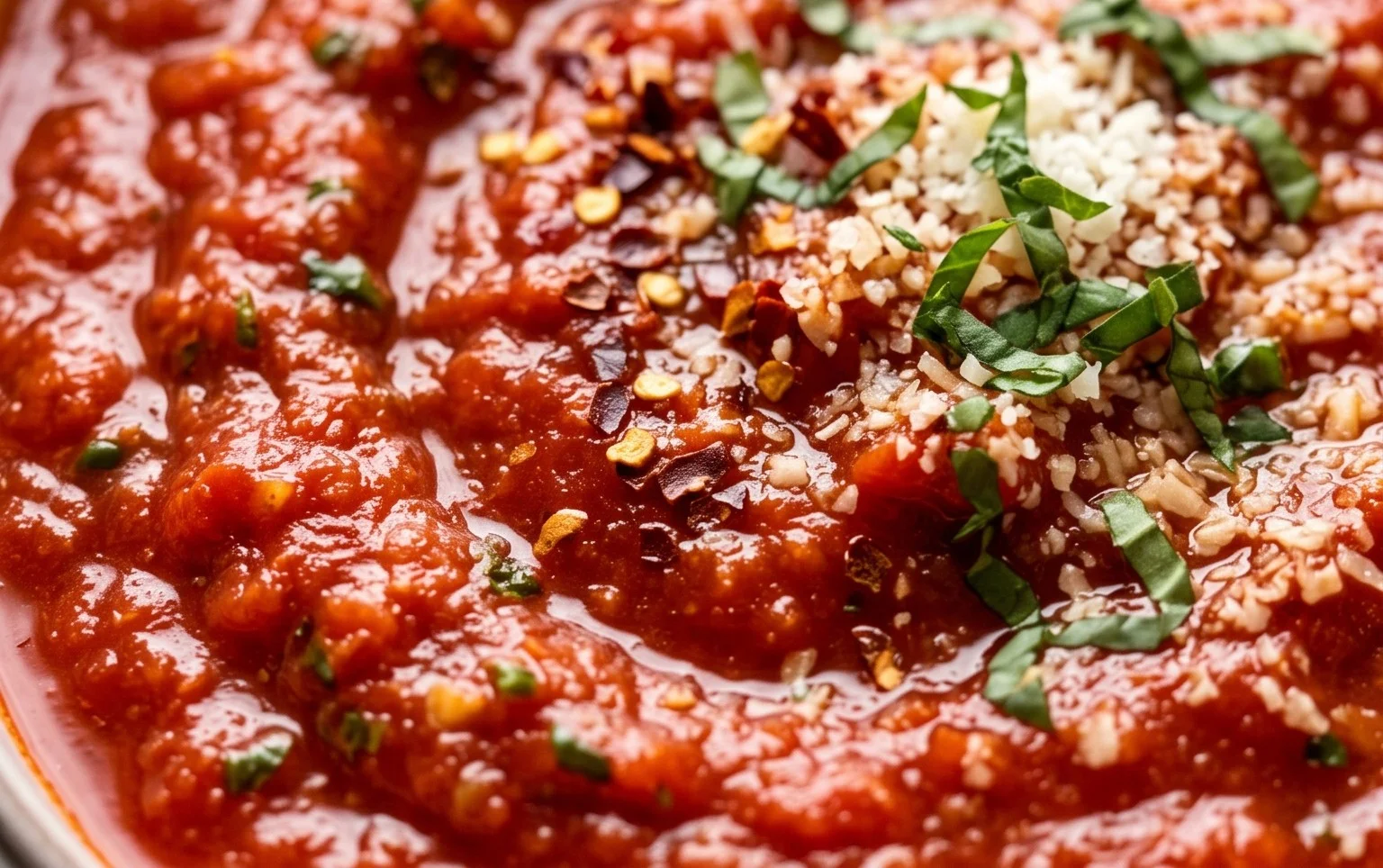
Conclusion:
There you have it – your guide to crafting a truly exceptional homemade marinara sauce. This recipe is a game-changer because it allows you to control the quality of ingredients and tailor the flavor precisely to your liking, moving far beyond the often bland and overly sweet versions found in jars. The vibrant, fresh taste of ripe tomatoes, complemented by fragrant garlic and basil, creates a sauce that is both comforting and sophisticated. It’s incredibly versatile, serving as the perfect foundation for countless dishes.
Imagine it coating perfectly cooked pasta, bubbling on top of homemade pizzas, or as a rich dip for mozzarella sticks. For a delightful twist, consider adding a pinch of red pepper flakes for a subtle kick, a splash of red grape juice for depth, or even some finely chopped vegetables like onions and bell peppers for added texture and flavor. I truly encourage you to give this homemade marinara sauce a try. The effort is minimal, but the reward of a truly delicious, authentic sauce is immense. You’ll wonder why you ever settled for less!
Frequently Asked Questions about Homemade Marinara Sauce:
How long can I store this marinara sauce?
Once cooled, your homemade marinara sauce can be stored in an airtight container in the refrigerator for up to 5-7 days. For longer storage, it freezes beautifully for up to 3 months. Thaw overnight in the refrigerator and reheat gently on the stovetop.
Can I use canned tomatoes if fresh ones aren’t in season?
Absolutely! High-quality canned whole peeled San Marzano tomatoes are an excellent substitute when fresh tomatoes are out of season. They offer a consistent flavor and sweetness that works wonderfully in this recipe. Just be sure to crush them yourself for the best texture.
My sauce tastes a little too acidic. How can I fix it?
A common fix for a slightly acidic sauce is to add a pinch of sugar (or even a touch of baking soda, but be cautious as it can affect flavor if overused). Simmering for a longer period can also help mellow out the acidity by allowing the flavors to meld and deepen. You could also stir in a tablespoon of butter at the end for a richer, smoother finish.
Homemade Marinara Sauce
A simple and flavorful homemade marinara sauce perfect for pasta or dipping.
Ingredients
-
2 Tablespoons Olive Oil
-
3 cloves garlic (minced)
-
28 oz. plum tomatoes
-
1 bay leaf
-
1 teaspoon Italian seasoning
-
3-4 tablespoons fresh parsley (roughly chopped)
-
1/4 teaspoon salt
Instructions
-
Step 1
Heat olive oil in a large pot or Dutch oven over medium heat. -
Step 2
Add minced garlic and cook until fragrant, about 1 minute, being careful not to burn. -
Step 3
Add the plum tomatoes (crushed by hand or with a food mill), bay leaf, Italian seasoning, and salt. Stir to combine. -
Step 4
Bring the sauce to a simmer, then reduce heat to low, cover, and cook for at least 30 minutes, stirring occasionally, allowing the flavors to meld. -
Step 5
Remove the bay leaf. Stir in the fresh parsley. -
Step 6
Taste and adjust seasoning if necessary. Serve hot.
Important Information
Nutrition Facts (Per Serving)
It is important to consider this information as approximate and not to use it as definitive health advice.
Allergy Information
Please check ingredients for potential allergens and consult a health professional if in doubt.

